Knowledge

Microwave Safe Food Containers: Materials, Safety and Best Applications

Author : Hydepackage
Update time : 2026-07-21 16:08:01
565705

Microwaves have become a part of our dailylife. Whether it’s microwave dinners, soup food, meals food, or microwave takeout food, we expect food packaging containers to withstand microwaves safely.
 
For restaurants, meal food services, supermarkets, airlines, and food manufacturers, choosing good microwave-safe food containers will directly affect food safety, customer satisfaction, and brand.
 
However, not all takeaway food packaging containers are intended for microwaves. Some plastics can warp, some coatings don't work at high temperatures, and some compostable materials work a lot better than others.
 
We'll introduce which materials are microwave safe more, how they compare, and which packaging solutions are suitable for different food packaging applications by Hydepackage in this guide.


Why Is It Important for Microwave Safety?
 
Consumers increasingly purchase ready-to-eat meals, frozen foods, and microwave takeaway dishes.
 
A microwave safe container:
 
* Maintain its shape during heating
* Resist deformation
* Prevent harmful chemical migration
* Keep food secure
* Handle moisture and oil
* Preserve food quality
 
Poor quality containers may soften, leak, deform, or lose structural strength after only a few minutes of heating.
 
For commercial food businesses, this can lead to customer complaints, wasted food, and unnecessary replacement costs.
 

What Makes a Food Container Microwave Safe?
 
A microwavesafe container isn't simply one that survives microwave heating.
 
It should also:

* Handle temperatures between approximately 100 to 120°C, it depends on the material.
* Resist oil and water penetration
* Remain structurally stable
* Avoid releasing unsafe substances under normal microwave conditions
* Be suitable for direct food contact
 
The exact performance depends on the raw material, manufacturing process, food type, heating duration, and container design.


Common Microwave Safe Food Container Materials
 
1. PP Food Containers
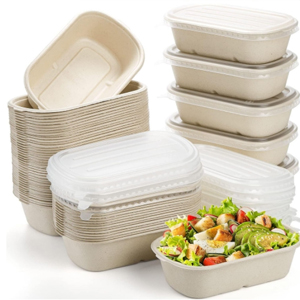
 Custom PP Food ContainersPlastic Food ContainerPET Cake Box with Lid Wholesale
PP is one of the most widely used plastics for microwave safe food packaging.
 
Advantages
 
* Excellent heat resistance
* Good oil resistance
* Lightweight
* Affordable
* Dishwasher compatible (reusable versions)
* Suitable for frozen foods
 
Best Applications
 
* Meal prep
* Rice dishes
* Noodles
* Curry
* Frozen meals
* Supermarket ready meals
 
For businesses requiring low cost, high volume packaging, PP containers remain one of the most economical choices.
 
 
2. Bagasse Sugarcane Fiber Containers


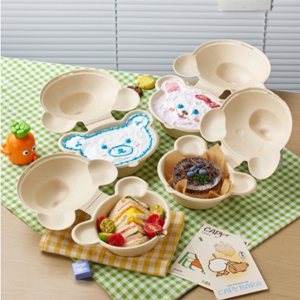
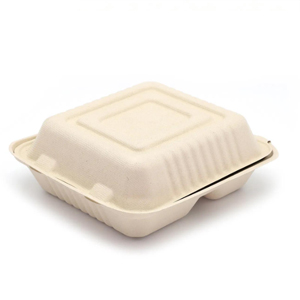
custom sugarcane bento boxBagasse Bento Boxes Manufacturersugarcane food container supplier
 
Bagasse sugarcane food containers are made from sugarcane fibre, a byproduct, offering sustainability and practical performance.
 
High-quality bagasse fibre containers are naturally heat resistant and perform well in microwaves.
 
Advantages

* Compostable
* Plastic free appearance
* Strong rigidity
* Excellent insulation
* Good oil resistance
* Premium ecofriendly image
 
Best Applications

* Hot meals
* Rice boxes
* Bento meals
* School lunches
* Restaurant takeaway
* Catering
 
The bagasse materials have become one of the fastest substitutes for traditional plastic food packaging in environmental brands.
 
Hydepackage offers a range of bagasse lunch boxes, clamshell containers, compartment food trays, bowls and plates for the foodservice and wholesale distribution industries.
 
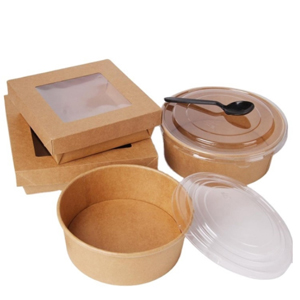
3. Paper Food Containers
 

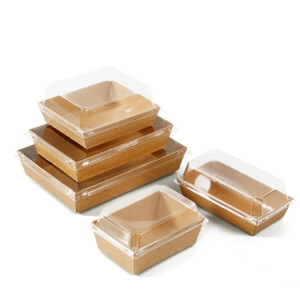
Sushi Box WholesaleCustom Kraft Paper BoxPackaging Boxes For Pizza
Many paper food containers can be microwaved for short periods, depending on their internal coating.
 
Typical applications include:
 
* Soup bowls
* Kraft food boxes
* Salad bowls
* Noodle containers
 
Paper material food containers are popular in cafés and food services because they combine attractive branding with practical functionality.
 
Custom printing also makes them an excellent marketing tool.
 
4. CPLA and PLA Containers
 
PLA is made from renewable plant-based resources.
 
However, standard PLA has relatively low heat resistance.
 
For higher-temperature food packaging, manufacturers often use CPLA, which offers improved thermal stability. Such as:
 
* Hot beverage lids
* Cutlery
* Selected food containers
 
Businesses should always confirm the recommended temperature range before using PLA products in microwave applications.
 
5. Aluminium Containers Food Packaging
 

Aluminium foil containers should never be placed inside a conventional microwave except if the microwave manufacturer specifically states they are compatible. because it can create sparks inside many microwave ovens.
 
If you want microwave heating, you can generally make the best choices. such as fibre plants, paper, bagasse, or PP material containers.
 

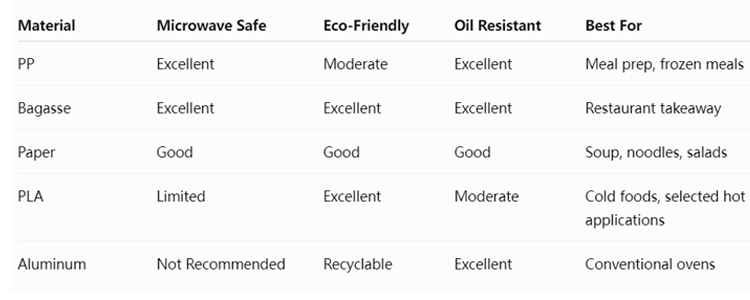
Material Comparison

 Compare PP, bagasse, paper and PLA materials

Choosing the Right Container for Different Foods
 
Hot Rice Meals
 
Recommended:
 
* Bagasse lunch boxes
* PP meal containers
 
These materials withstand moisture and maintain structural strength.
 
Choose soups containers with:
 
* Leak resistant lids
* High heat resistance
* Strong side walls
 
Paper soup bowls and PP soup containers perform particularly well.
 
Fried foods: oil resistance becomes especially important.
 
Recommended food package materials:
* Bagasse
* PP
* Coated kraft paper
 
Frozen Ready Meals Food Packaging
 
Frozen ready meal packaging needs to tolerate freezing and microwave reheating. So, PP containers are widely preferred because they remain stable across a temperature range.
 
Airline Catering
 
Airline meals require lightweight packaging that handles transportation and reheating efficiently.
 
Bagasse trays and PP meal trays are commonly selected.
 
Common Mistakes Buyers Should Avoid
 
Many buyers focus only on price. However, food packaging should also be evaluated for:
 
* Heat resistance
* Food safety compliance
* Lid compatibility
* Leak resistance
* Oil resistance
* Stacking performance
* Shipping durability
* Sustainability certifications
 

Why Brands Companies are Moving to Sustainable Microwave Food Containers
 
Eco-friendly disposable packaging is in demand. In North America, Europe, Australia, and Asian markets, restaurants and food services are getting away from traditional foam plastic food packaging and towards recyclable or compostable material food containers.
 
Bagasse food containers are popular because they provide:
 
* Reliable microwave performance
* Natural appearance
* Compostability (where industrial composting facilities exist)
* Strong support for sustainable brand positioning
 

Hydepackage Microwave Food Packaging Solutions
 
Hydepackage is a professional manufacturer specializing in disposable food packaging for global wholesalers, distributors, restaurant chains, supermarkets, and foodservice brands.
 
Our product portfolio includes:
 
* Microwave safe bagasse containers
* Sugarcane compartment trays
* Kraft paper food boxes
* Paper soup bowls
* PP meal prep containers
* Paper cups and lids
* Disposable cutlery
* Custom printed food packaging
* OEM & ODM packaging solutions
 
Every disposable food packaging product is developed to balance functionality, food safety, branding, and cost efficiency.
 
No matter if you need eco-friendly compostable food containers or PP packaging for frozen ready meals. Our factory, Hydepackage, provides customized wholesale solutions to your market.


About Some FAQS
 
Q: Do all plastic food containers go into the microwave?
 
A: No. Only food containers specifically designed and labelled for microwave use should be heated. PP is one of the most commonly used microwave plastics.
 
Q: Are bagasse containers microwave safe?
 
A: Yes. High-quality bagasse containers are generally suitable for reheating hot food in a microwave for normal foodservice use.
 
Q: Can paper food containers be microwaved?
 
A: Most of kraft paper bowls and food boxes are microwave safe in short reheating periods, provided they are manufactured for that purpose
 
Q: Is PLA microwavable?
 
A: Standard PLA has limited heat resistance. CPLA offers better performance for hot foods, but product specifications should always be checked before microwave use.
 
Q: Which material is the best takeout restaurant?
 
A: Bagasse containers are a good choice if you care about sustainability. PP containers are still the most practical and inexpensive options for frozen food and for reheating with the microwave.


Choosing a good microwave-safe food container is not just lasting a few minutes in the microwave. The best disposable food packaging can protect food quality and safety and provide the customer experience.
 
For foodservice companies, brands with logos, wholesalers, the food packaging's performance and sustainability are increasingly becoming intertwined now. Foodservice companies can meet contemporary consumer demands and offer reliable packaging performance by choosing materials such as PP or bagasse.
 
If you're looking for bulk microwave safe disposable packaging, Hydepackage offers all kinds of customizable disposable packaging solutions, including bagasse containers for food service, kraft paper packaging, PP meal food trays, disposable paper bowls, all kinds of disposable cups, and disposable cutlery. Hydepackage is designed to help food companies worldwide deliver safe, practical, and sustainable disposable packaging.

 
Related News
Read More >>
Food Packaging Certifications Guide: FDA, LFGB, FSC, BPI & EN13432 Explained for Buyers Food Packaging Certifications Guide: FDA, LFGB, FSC, BPI & EN13432 Explained for Buyers
Jul .16.2026
Learn what FDA, LFGB, FSC, BPI, and EN13432 certifications mean for food packaging. Understand food safety, compostability, and sustainable sourcing standards with Hydepackage.
Custom Food Packaging Manufacturer: OEM & Wholesale Buying Guide Custom Food Packaging Manufacturer: OEM & Wholesale Buying Guide
Jul .07.2026
Discover the best custom food packaging manufacturer for OEM and wholesale. Sustainable solutions including paper cups, bagasse containers, kraft boxes and more. Expert tips on choosing suppliers, customization, and certifications.
Bagasse vs Plastic Food Containers Bagasse vs Plastic Food Containers
Jul .01.2026
Compare bagasse vs plastic food containers. Learn differences in sustainability, cost, durability, and performance. Find eco-friendly food packaging solutions from Hydepackage.
Complete Buying Disposable Egg Trays Australia: Paper Egg Trays vs Plastic Egg Trays Complete Buying Disposable Egg Trays Australia: Paper Egg Trays vs Plastic Egg Trays
Jun .23.2026
Looking for disposable egg trays in Australia? Compare paper egg trays and plastic egg trays. Find eco-friendly egg packaging solutions for farms, supermarkets, and wholesalers.
inquire
Ask us for
PRICE AND SOLUTIONS TODAY!
Your inquiry will be replied within 8 hours, and we respect your privacy.